
Starmer’s Britain Is Drifting Back to the Failed Politics of the 60s and 70s
A government elected on promises of moderation and renewal is increasingly reviving the failed instincts of Britain’s most troubled post-war decade: stronger unions, state control, mounting debt and creeping dependence on Brussels.
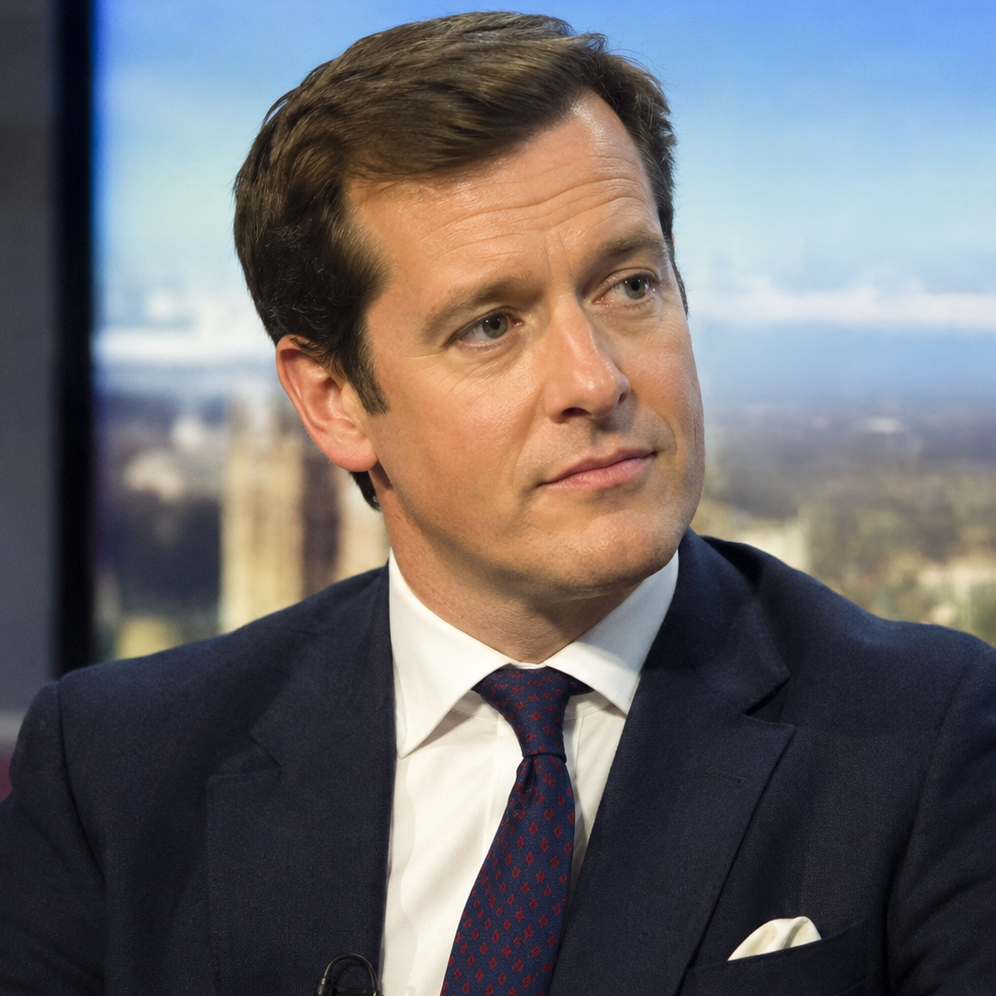

Sir Keir Starmer was supposed to represent a clean break from Labour’s past. He presented himself as a modern technocrat: sensible, managerial and supposedly free from the ideological baggage of Jeremy Corbyn and the old socialist Left.
Instead, Britain is beginning to look alarmingly like the country many thought had been left behind half a century ago.
Industrial unrest. Expanding union power. State intervention. Nationalisation. Closer alignment with Brussels. Spiralling public debt. Punishing energy costs. A stagnant economy. It is as though Westminster has dusted off an old handbook from the 1970s and decided to try the whole experiment again.
In a recent speech designed to steady growing unrest within his own party, Starmer declared that Britain was living through “extraordinary times” and promised sweeping change. Yet the substance of that “change” appears remarkably familiar: more government control, more borrowing, and more dependence on European regulation.
Back Towards Brussels
Perhaps the clearest example is Europe:
Starmer insists he wants Britain to take a "big leap forward" in relations with the EU. Notably, he has refused to rule out closer integration through a customs union or even rejoining the single market.
Labour ministers increasingly speak as though Brexit itself was merely an unfortunate misunderstanding, one that can be reversed through "pragmatic cooperation". Britain is already generally aligning with EU rules and the Bank of England governor Andrew Bailey has pushed rebuilding closer trade links with the Continent.
The problem is that many of the same arguments were made in the 1970s when Britain first joined the European Economic Community. We were told it would unlock prosperity and modernise the economy. What followed instead was economic turmoil, inflation and industrial decline.
The 1973 oil crisis exposed how vulnerable Britain had become, while membership of the Common Agricultural Policy forced the country to abandon cheaper Commonwealth imports in favour of heavily protected European markets. Food prices surged. Consumers paid the price.
Today there are warnings that Starmer’s proposed sanitary and phytosanitary agreements with the EU could produce similar effects, increasing costs on non-European imports and driving up prices for ordinary families. Once again, Britain risks surrendering flexibility and sovereignty in exchange for vague promises of economic stability that may never materialise. "Well, it's because of brexit" has become the default explanation for dwindling financial growth.
The Return of Union Government
At the same time, organised labour has returned to the centre of political power: Trade unions, long marginalised after the Thatcher reforms, now appear to enjoy direct influence over Labour policymaking. Angela Rayner recently praised unions for helping shape Labour’s employment legislation, boasting that much of it "would not have happened" without them.
The direction of travel is unmistakable. Labour’s new employment laws strengthen unions, make strikes easier to organise and place additional burdens on employers already struggling with rising costs. The result is likely to be exactly what Britain experienced during the 1970s: Reduced competitiveness, fewer jobs and a permanent cycle of inflationary wage demands.
Every concession simply invites another demand. The Government hoped generous pay settlements for junior doctors would restore calm to the NHS. Instead, further strike threats quickly followed. That was always the danger when governments lose control of wage discipline and allow organised labour to dictate national priorities.
Nationalisation and State Control
Then comes nationalisation. Starmer’s decision to bring British Steel under state control has been celebrated by unions as a return to "industrial strategy". To many older Britons, however, it feels less like strategy and more like déjà vu.
The 1970s were filled with grand promises about state ownership rescuing British industry. In practice, nationalised industries often became inefficient, politically manipulated and permanently dependent on taxpayer subsidies.
None of this addresses the real reason British manufacturing struggles today: crippling energy costs. Britain already suffers some of the highest industrial energy prices in the developed world, yet the Government continues to pursue an aggressive net zero agenda which further increases costs for businesses and consumers alike.
Factories cannot operate on political slogans. Steel plants do not run on moral gestures. An industrial economy requires abundant, affordable and reliable energy.
Instead of unleashing domestic energy production, Labour seems increasingly comfortable with a future in which industry survives only through subsidies, regulation and state management.
A Dangerous Fiscal Path
All of this is unfolding against the backdrop of an increasingly fragile financial position.
Britain’s national debt is approaching £3 trillion. Borrowing costs have climbed sharply. Economic growth remains anaemic. Yet Labour continues to promise vast spending increases while simultaneously squeezing businesses and taxpayers ever harder.
Markets are already nervous. Economists have warned that any significant expansion of state spending or intervention could trigger a crisis of confidence similar to the turmoil that followed Liz Truss’s disastrous mini-budget. The difference is that Britain now carries far more debt and has far less room for error.
In the 1970s, Britain ultimately ended up humiliating itself before the International Monetary Fund. Today, the bond markets may prove just as ruthless.
The Politics of Nostalgia
What makes all this particularly striking is that Starmer was never supposed to be this kind of Labour leader.
He promised competence, moderation and seriousness. Yet faced with economic pressure and mounting political weakness, his instincts appear increasingly rooted in the old Left: bigger government, stronger unions, closer ties to Brussels and greater state involvement in the economy.
For younger voters, the 1970s may feel like distant history - many have no idea how absolute abysmal those years were. For older Britons, however, the warning signs are painfully familiar. Britain already tried this model once before. It delivered stagnation, inflation, industrial paralysis and national decline.
There is little reason to believe the sequel will end any differently.
Also by Dominic Harbury

One Rule for Politicians, Another for You
Angela Rayner’s stamp duty case has reignited a growing public suspicion that the political class no longer plays by the same rules as everyone else. While ordinary Britons face relentless penalties and scrutiny from the state, well-connected insiders too often seem to receive understanding, exemptions and leniency.
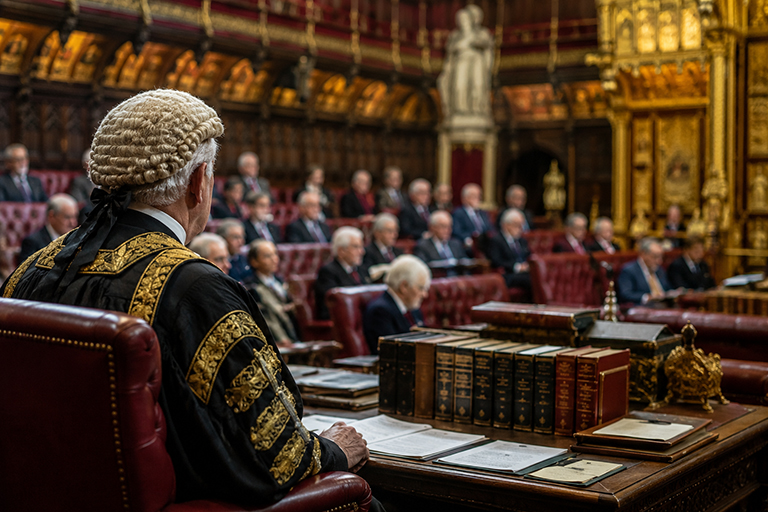
Britain Is Losing More Than Titles in the Assault on the Hereditary Peers
The campaign against hereditary peers is presented as democratic progress, yet it threatens to remove some of the House of Lords’ most experienced and independent voices. From distinguished diplomats such as the Earl of Oxford and Asquith to tireless public servants like Lord Russell of Liverpool, Britain is discarding a tradition of duty and expertise in favour of an increasingly shallow political class.

We Have Forgotten What Education Is Really For
Modern education has become obsessed with exams, careers and economic utility while neglecting the deeper purpose of learning itself. As Britain abandons classical liberal education, a generation is growing up increasingly detached from history, literature and the intellectual traditions that once sustained Western civilisation.