
Featured
Politics as Religion: Why the Modern Left Cannot Tolerate Dissent
As ideology increasingly replaces religion in public life, political disagreement is no longer treated as debate, but as moral heresy.

As ideology increasingly replaces religion in public life, political disagreement is no longer treated as debate, but as moral heresy.

Andy Burnham has become the acceptable face of Labour populism: media-friendly, emotionally fluent and packaged as a champion of the North. But beneath the carefully constructed image lies a familiar political instinct — more state control, more public spending and more bureaucracy. Britain does not need another eloquent manager of decline. It needs a fundamental change of direction.
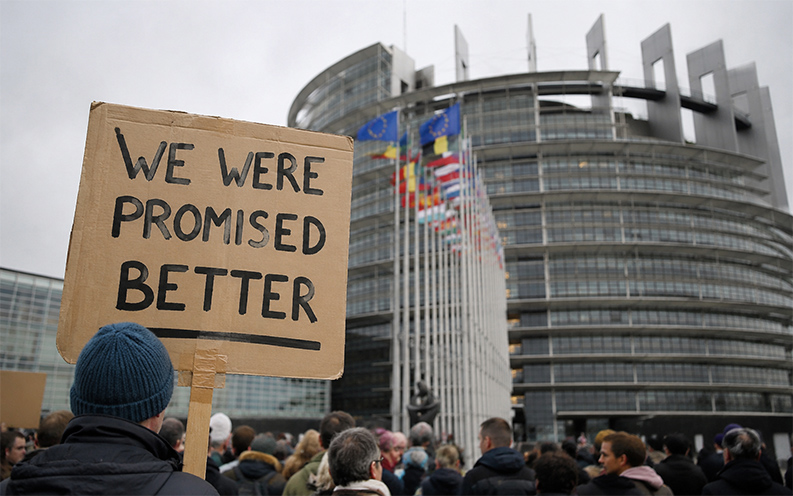
For decades, politicians understood their role was simple: improve the lives of the people who elected them. They built infrastructure, kept streets safe and ensured energy remained affordable. Today, however, much of Europe’s political class seems more interested in lecturing citizens and imposing inconvenient lifestyle policies than delivering practical improvements. From paper straws to absurd waste-sorting schemes, ordinary people are increasingly being asked to tolerate declining convenience in the name of political virtue signalling.

Sir Keir Starmer promised to drag Labour into the modern age. Instead, his government is beginning to resemble a political time machine back to the 1970s: expanding union power, nationalising industry, edging Britain closer to Brussels and piling debt upon debt onto an already stagnant economy. Britain has seen this experiment before — and it did not end well.
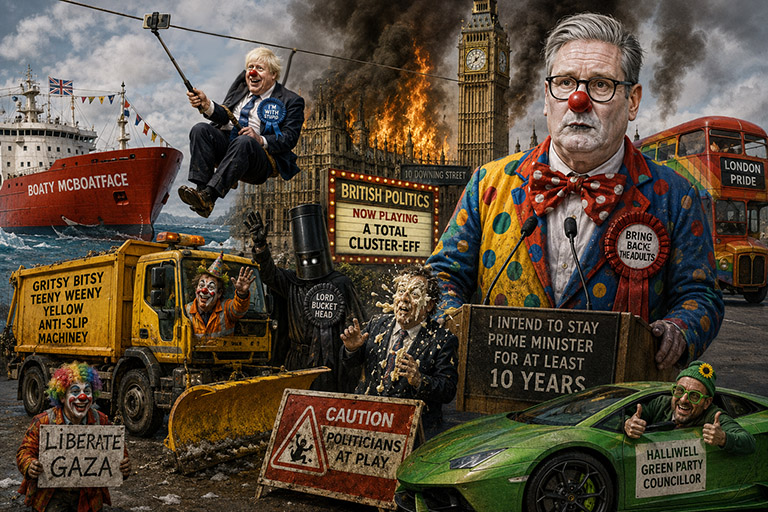
Britain has always enjoyed turning serious public life into a national in-joke, from naming polar research ships "Boaty McBoatface" to cheering political chaos like a drunken pub audience watching plates smash. But the joke has finally gone too far.
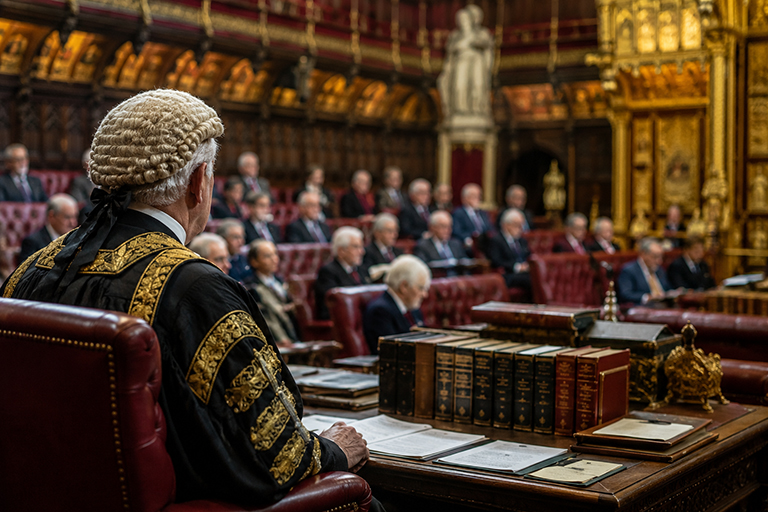
The campaign against hereditary peers is presented as democratic progress, yet it threatens to remove some of the House of Lords’ most experienced and independent voices. From distinguished diplomats such as the Earl of Oxford and Asquith to tireless public servants like Lord Russell of Liverpool, Britain is discarding a tradition of duty and expertise in favour of an increasingly shallow political class.